
Joint Injections
Joint Injections Now Available at Centrepoint Physiotherapy
Centrepoint Physiotherapy now offers joint injections for managing pain and improving mobility. We provide steroid (cortisone) and hyaluronic acid injections, which can be administered into joints or surrounding soft tissue.
There’s no GP referral required, but you’ll need an initial consultation with our clinical lead physiotherapist to assess suitability. After this assessment, you can book your injection—either steroid, hyaluronic acid, or a combination of both.
What Are Joint Injections?
During the procedure, our clinical lead physiotherapist will inject either steroid or hyaluronic acid directly into the joint or surrounding tissue:
Steroids reduce inflammation, relieve pressure, and help ease pain and swelling.
Hyaluronic acid acts as a natural lubricant and shock absorber, improving joint movement and reducing friction.
Both injections can provide a window for physiotherapy, helping to strengthen muscles, improve mobility, and support ongoing rehabilitation. In some cases, injections may also be used as a short-term stand-alone treatment for joint flare-ups.
How Steroid Injections Can Help
Steroid injections don’t cure the underlying condition, but they can significantly reduce symptoms. They’re often used alongside physiotherapy or other treatments to help you get more benefit from rehabilitation.
Some injections work within hours; others may take up to a week to reduce pain.
Relief can last from a week to several months, depending on the joint and cause of inflammation.
Generally, it’s recommended no more than four steroid injections per joint per year to avoid potential joint damage.
How Hyaluronic Acid Injections Can Help
Hyaluronic acid injections, also called viscosupplementation, are a non-surgical treatment that replenishes natural joint fluid. They help:
Lubricate the joint
Improve mobility and reduce stiffness
Reduce pain from osteoarthritis
Delay the need for joint replacement for up to nine months in some patients

Hyaluronic Acid Injection
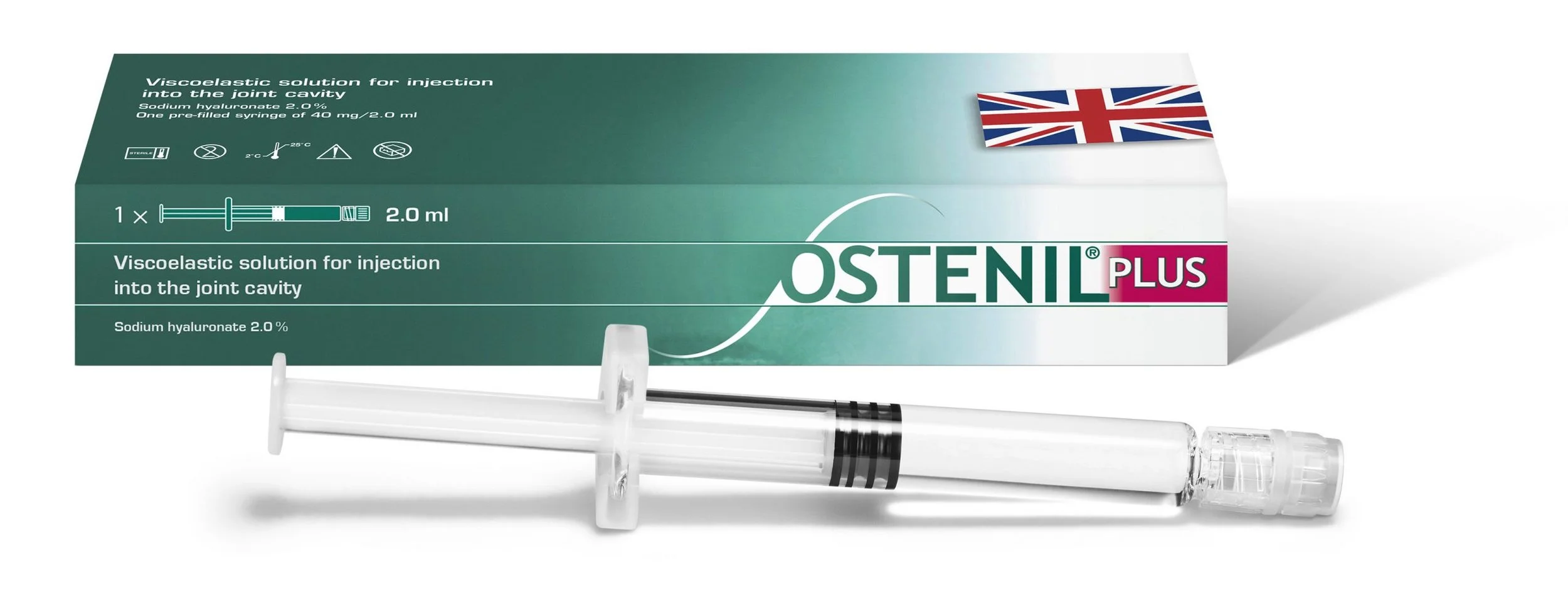
What are hyaluronic acid injections?
Hyaluronic acid injections help reduce pain and stiffness in joints. They work by lubricating the joint, improving movement and acting as a shock absorber. Most commonly used for knee osteoarthritis, these injections can provide relief for up to nine months.
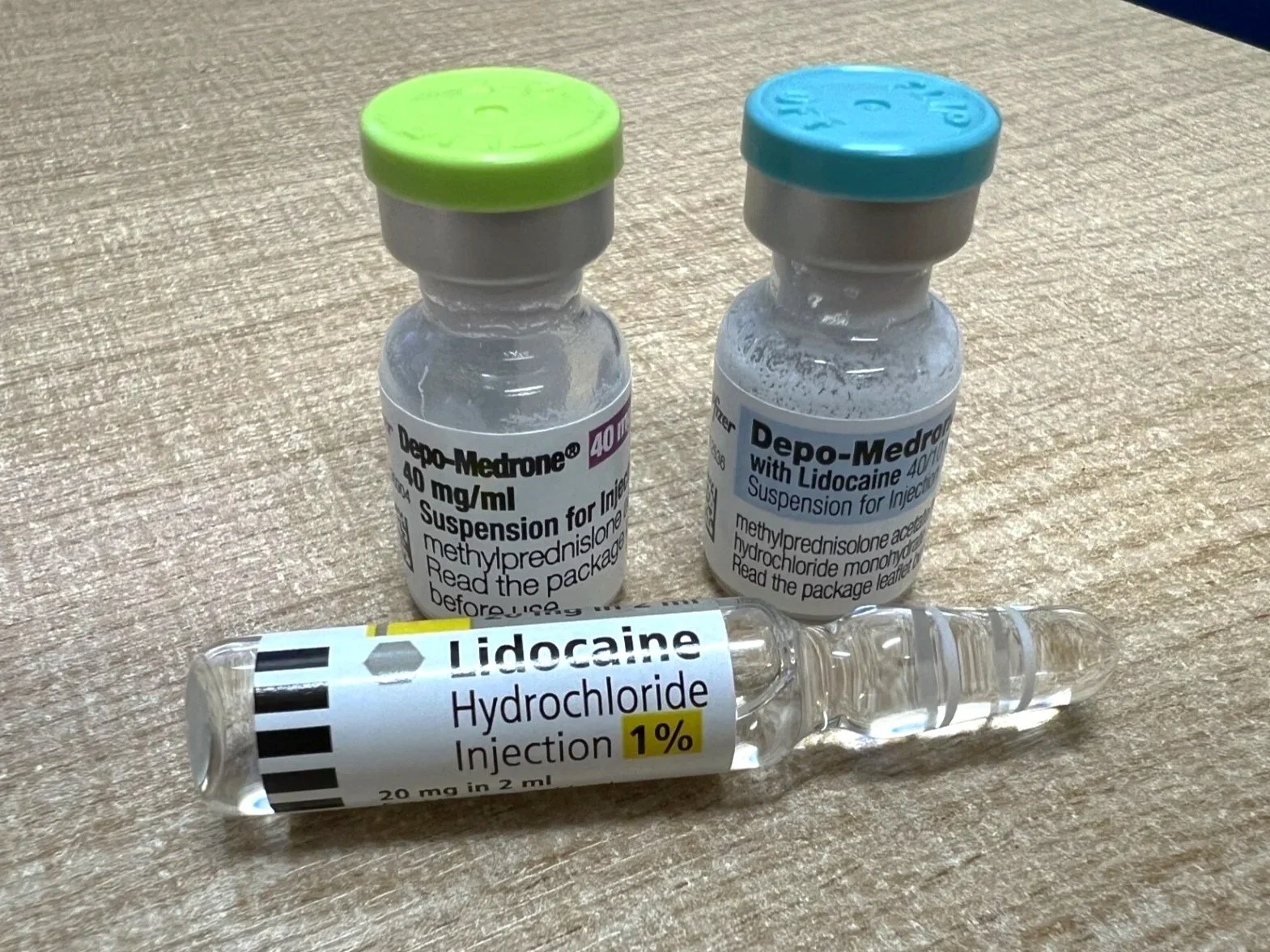
Cortisone Steroid Injection
What is a cortisone injection?
A cortisone injection, also called a corticosteroid shot, is a fast-acting anti-inflammatory treatment. It’s injected directly into a joint, tendon, or bursa to help reduce pain, swelling, and irritation, allowing you to move more comfortably and get more out of physiotherapy.
Cost of Joint Injections
Cost of Joint Injections
Hyaluronic acid injection: £200 per injection
Cortisone (steroid) injection: £200 per injection
Combination injection (both hyaluronic acid and cortisone): £300
Please note: All injections require an initial assessment with our clinical lead physiotherapist, which is charged separately.
Steroid Joint Injections – What to Expect
At Centrepoint Physiotherapy, your physiotherapist will explain the steroid injection procedure, expected benefits, and possible risks before treatment. You’ll have time to ask questions and will be asked to give informed consent before the injection is carried out.
Before Your Injection
Please let your physiotherapist know if you:
Take blood-thinning medication
Have a bleeding or clotting condition
Have diabetes or high blood pressure
Have allergies to steroids or local anaesthetic
Have an infection not just in or around the joint, but any other infections like UTI’s
Are pregnant or breastfeeding
No special preparation is usually needed. Wear comfortable clothing that allows easy access to the joint. You may wish to arrange someone to drive you home afterwards and plan to rest the joint for a short period.
During the Procedure
The skin will be cleaned thoroughly and the injection given into the affected joint or surrounding tissue. You may feel pressure, but the procedure is usually quick.
After the Injection
Pain relief may be felt straight away if a local anaesthetic is used, though this can wear off after a few hours. It’s common to experience temporary soreness for a day or two.
To help recovery:
Rest the joint for 24–48 hours
No physiotherapy exercises for a week after
Use ice to reduce pain or swelling
Take simple pain relief if needed
Gradually return to normal activity
The steroid can take one to four weeks to have its full effect. Your physiotherapist may guide you on exercises and ongoing management to support long-term results.
Possible Side Effects
Side effects are usually mild and temporary and may include short-term pain, flushing, changes in blood sugar or blood pressure, or skin changes at the injection site. Serious complications are rare but will be discussed with you beforehand.
Other Treatment Options
Steroid injections are not always the only solution. Physiotherapy, exercise, activity modification, and medication may also be appropriate depending on your condition.