
How Heel Lifts and Wedges Fix Foot and Ankle Pain
When you have foot or ankle pain, walking can feel like a chore. It makes you feel tired, annoyed, and stuck.
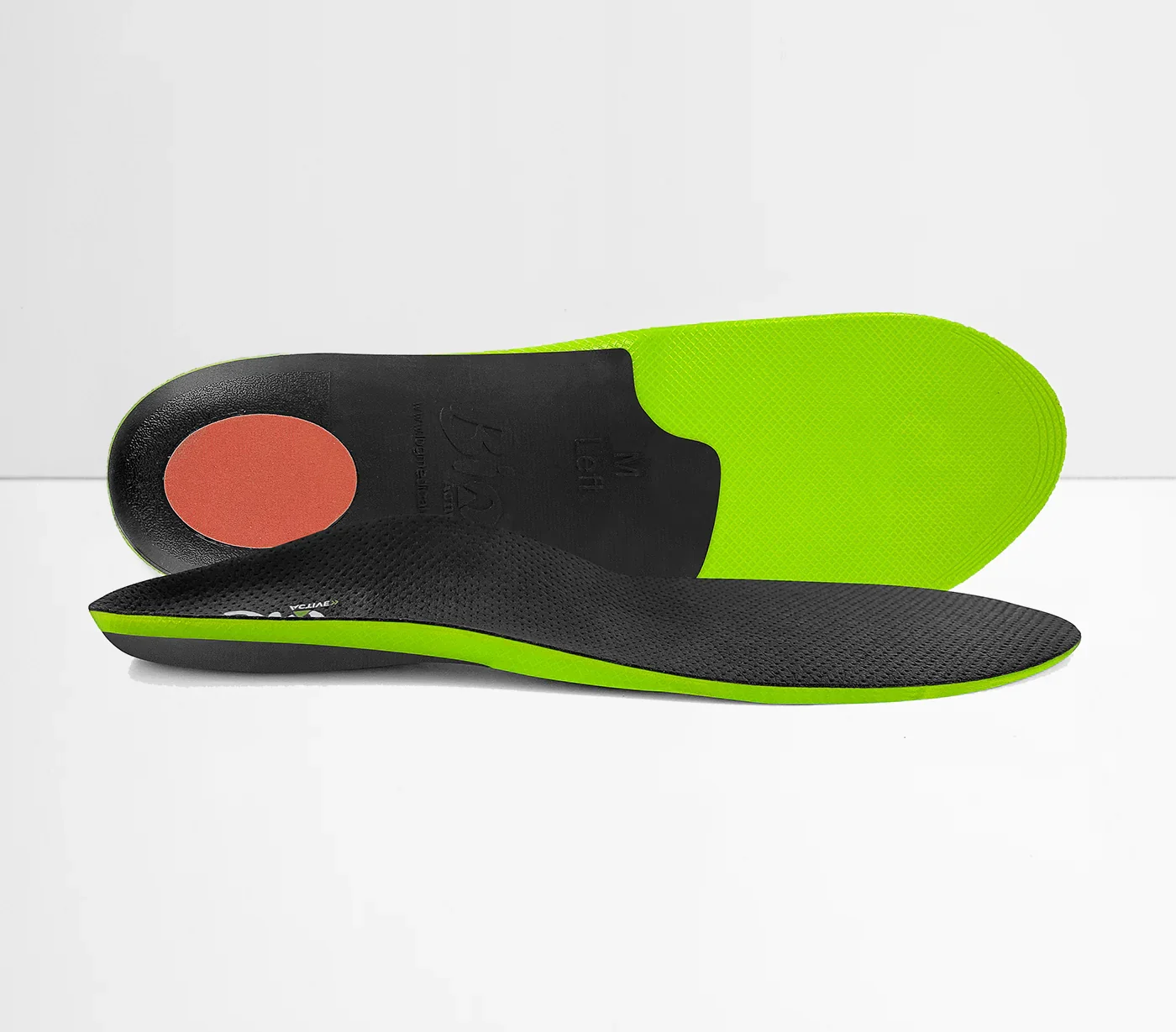
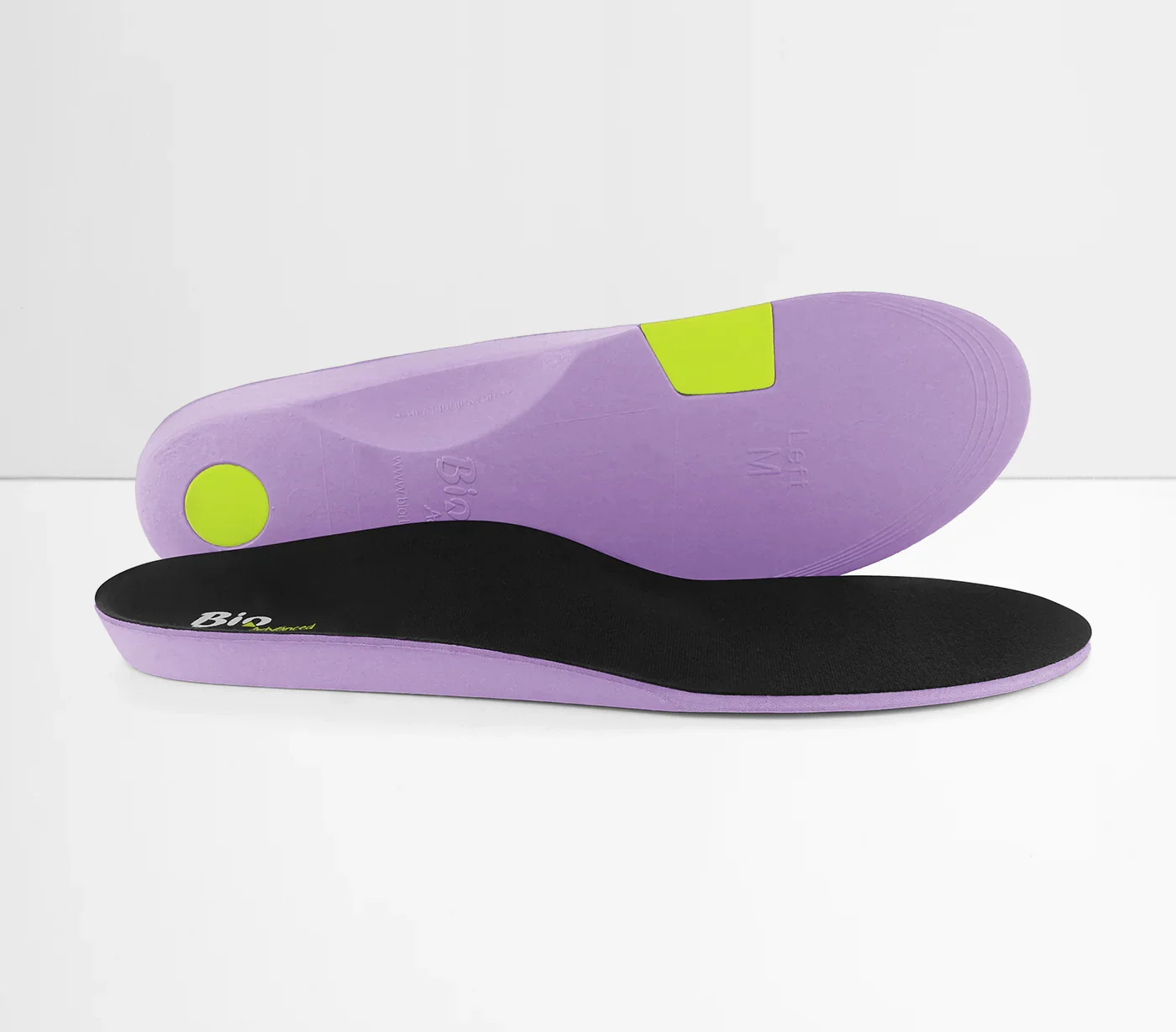
When you visit us at the clinic, we don't just look at where it hurts. We look at how you move. Often, pain happens because a part of your foot is being pulled or squished too hard. To fix this, we use small, shaped pieces of firm foam or cork inside your shoes. These are called heel lifts and wedges.
We get these high-quality pieces from a trusted company called LBG Medical. They work like tiny, secret tools inside your shoes to change how your body weight hits the ground.
We offer this service which includes assessment and customisation for £100. The RRP of the insoles are £80 alone.
The Three Types of Shoe Modifications
1. The Heel Lift (The Small Ramp)
A heel lift is a flat, raised piece of material that goes under the back of your foot. It lifts your heel up by a few millimetres.
How it helps: There is a tight, stretchy band at the back of your ankle called the Achilles tendon. When your heel is flat on the floor, that band has to stretch and pull very hard. The tiny ramp lifts your heel so the band can relax, rest, and stop hurting.
Best for: Plantar fasciitis (sharp pain under your heel when you get out of bed) and sore Achilles tendons.
2. The Medial Wedge (The Inside Guard Rail)
This piece of foam is thicker on the inside edge of your foot, right under your big toe and the inside of your heel.
How it helps: Some people have feet that roll inward too much when they walk. This is often called "flat feet." When your foot rolls in, it twists your ankle and your knee out of line. This wedge acts like a gentle guard rail. It stops your foot from rolling inward and keeps your leg straight and strong.
Best for: Painful flat feet and arches that feel sore and strained.
3. The Lateral Wedge (The Outside Guard Rail)
This piece of foam is thicker on the outside edge of your foot, under your little toe and the outside of your heel.
How it helps: This wedge tilts your foot just a tiny bit inward. Shifting your weight this way helps in two ways. First, it stops loose ankles from tipping over and twisting. Second, it shifts pressure away from the inside of your knee joint.
Best for: Wobbly ankles that twist easily, and knee arthritis pain.
Will You Need to Wear Them Forever?
Every person has a different body shape. Depending on why your foot hurts, your physiotherapist will put you on one of two paths:
Path 1: The Temporary Path (Like a Band-Aid)
The Situation: Your foot has a temporary injury from working too hard or exercising too much.
The Plan: We put the LBG Medical wedges in your shoes right now to protect the sore spot. While you wear them, we will give you exercises to make your muscles strong. Once your muscles are strong enough to do the hard work on their own, we take the wedges out of your shoes.
Path 2: The Long-Term Path (Like Wearing Glasses)
The Situation: Your bones and joints are naturally shaped in a way that causes extra stress when you walk.
The Plan: Think of these wedges like reading glasses. Glasses do not fix your eyes forever, but you wear them every day so you can see clearly. For structural foot shapes, keeping the wedges in your shoes for a long time keeps your joints safe and happy. Science shows this does not make your feet lazy. It actually helps your muscles work better.
The Rules for Using Your Shoe Inserts
To make sure your new inserts work perfectly and do not cause new aches, follow these simple rules:
Rule 1: Slow and Steady. Do not wear them all day at first. On the first day, wear them for just 1 hour. On the second day, wear them for 2 hours. Add more time each day until your body gets used to the new shape.
Rule 2: Good Shoes. Your inserts need a good home. They work best in sturdy shoes that lace up tight or have strong straps. They will not work in floppy slippers or loose slip-on shoes.
Rule 3: Do Your Exercises. The shoe inserts are only half of the plan. The other half is you. You must do your daily foot stretches and strength movements to help your body heal for good.
As MSK Physiotherapists we use LBG Medical shoe modifications within our professional scope of practice to support your movement, reduce pain, and enhance your therapeutic exercise program.
Please be aware that our role focuses on musculoskeletal rehabilitation. We do not provide generalised podiatric foot care, nail treatments, or specialists medical diabetic foot management, which are the expert of registered podiatrists.
The Rules for Using Your Shoe Inserts
-
Do not wear them all day at first. On the first day, wear them for just 1 hour. On the second day, wear them for 2 hours. Add more time each day until your body gets used to the new shape.
-
Your inserts need a good home. They work best in sturdy shoes that lace up tight or have strong straps. They will not work in floppy slippers or loose slip-on shoes.
-
The shoe inserts are only half of the plan. The other half is you. You must do your daily foot stretches and strength movements to help your body heal for good.